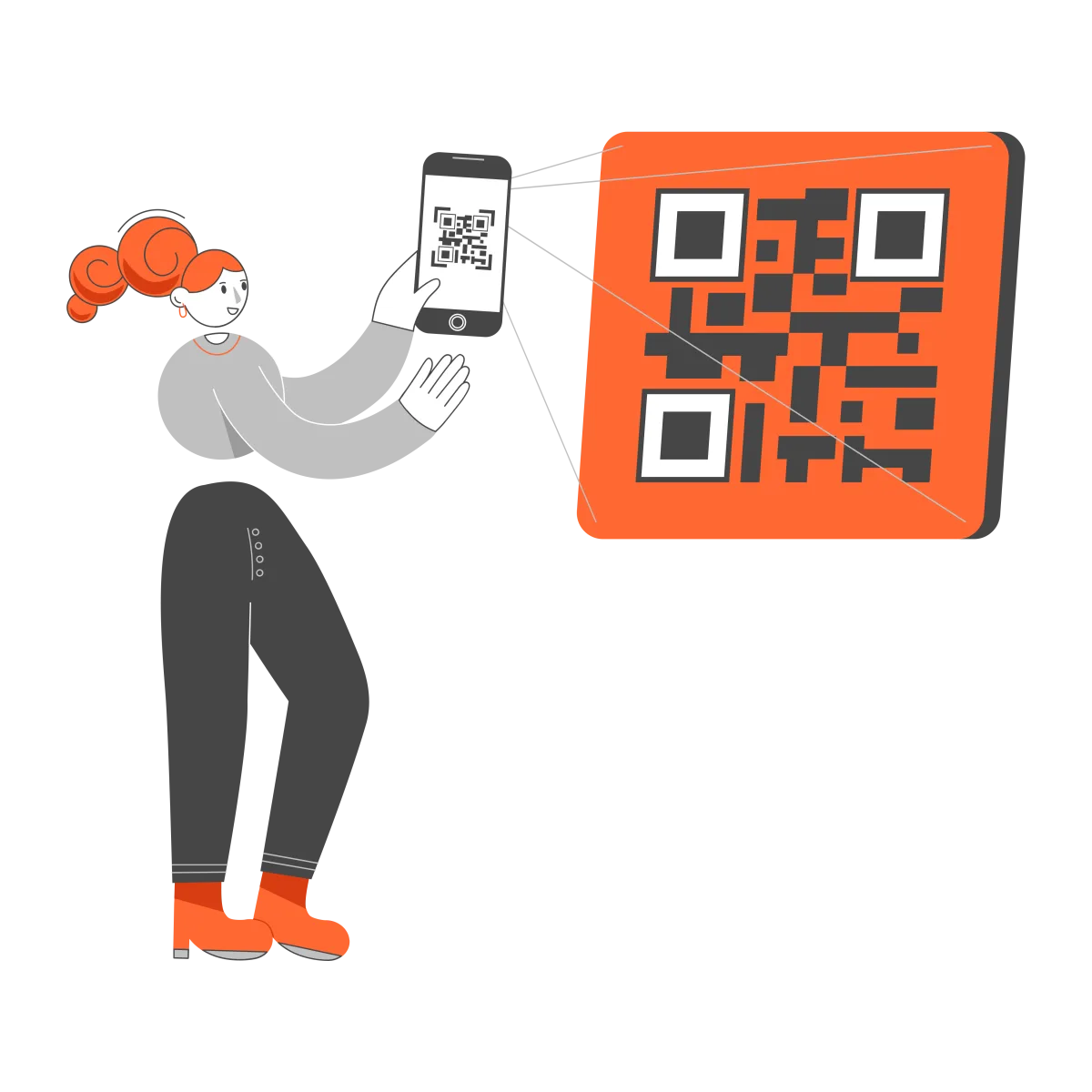
If you want a QR code for a link you can edit later, you need a dynamic QR code. A static QR code locks the final destination into the QR pattern itself, which means any change later requires a brand-new QR code. A dynamic QR code solves that problem by letting you keep the same QR image while updating the destination behind it.
Quick answer: If you want to edit the link later, create a dynamic QR code. Use a static QR code only when the destination will never change.
Why editable link QR codes use dynamic QR technology
When people search for an editable QR code, what they usually want is not to edit the black-and-white pattern itself. What they really want is the ability to change the destination URL later. That is exactly what a dynamic QR code is designed to do.
This matters most when a QR code is printed on menus, brochures, posters, packaging, signs, or business cards. If the destination page changes and the QR code is static, you have to replace the code everywhere. With a dynamic QR code, the printed code can stay the same while the link behind it is updated.
| Feature | Static QR Code | Dynamic QR Code |
|---|---|---|
| Change the link later | No | Yes |
| Keep the same printed QR image | Only if the link never changes | Yes |
| Analytics | Not built in | Usually available |
| Best for | Permanent URLs | Campaigns and changing content |
| Reprint risk | High if the destination changes | Lower because the destination stays editable |
Not sure which type you need? Read Static vs Dynamic QR Codes: Which One Should Your Business Use? for a deeper comparison.
How to create a QR code for a link you can edit later
The process is simple, but a few smart decisions at the start will save you problems later. If your goal is to create a QR code for a link that stays flexible, this is the right workflow.
1. Choose the page you want to promote
Decide where people should land first. This could be a website page, product page, booking form, menu, PDF landing page, event page, or campaign URL.
2. Select a dynamic QR code
This is the most important step. If you want the link to remain editable, do not use a static QR code. Dynamic is what gives you flexibility after publishing.
3. Add your link carefully
Make sure the URL is correct, secure, and mobile-friendly. A QR code is only as good as the page it opens.
4. Customize the design
Add branding, a logo, or a frame if you want, but keep strong contrast and enough white space so the QR code stays easy to scan.
5. Test before you publish
Scan the QR code on multiple phones, from different distances, and in the exact size you plan to print. Testing early prevents expensive mistakes later.
6. Download the right format
Use a sharp export format for web or print so the code remains clear on flyers, posters, packaging, menus, and business cards.
7. Update the destination later when needed
Once the QR code is live, you can keep using the same printed QR while changing the destination URL behind it whenever your content changes.
Simple rule: If there is even a small chance that your page, offer, or file will change later, start with a dynamic QR code.
Need a QR code for a link you can edit later?
Best use cases for editable link QR codes
An editable link QR code is especially useful when the destination may change or when replacing the printed QR code would be inconvenient or expensive.
Restaurant menus
Menus change often. A dynamic QR code lets you update dishes, prices, and seasonal items without reprinting tables or cards.
Brochures and flyers
Campaign pages, offers, or contact forms can change over time, while printed brochures stay in circulation much longer.
Product packaging
Packaging is expensive to replace. Editable QR codes are useful for guides, promotions, warranty pages, or updated product information.
Real estate marketing
A single QR code can point to updated listings, virtual tours, or new landing pages without replacing signs and printed materials.
Events and promotions
Event pages, registration forms, schedules, and campaign offers often change. Editable QR codes keep the printed promotion useful longer.
Business cards and portfolios
If you update your contact page, portfolio, or booking link later, the same QR code can continue working.
Best practices for editable link QR codes
Creating a QR code that stays editable is only part of the job. To get better scan rates and a better user experience, follow these best practices:
- Use a landing page that loads quickly on mobile devices
- Add a clear call to action next to the QR code, such as “Scan for menu” or “Scan to book”
- Keep strong contrast between the QR code and its background
- Choose a print size that matches the expected scanning distance
- Test the code in the final print or display format before publishing at scale
- When updating the destination later, keep it relevant to what users expected to see
- Add campaign parameters if you want more detailed marketing attribution
Trust matters: If someone scans a QR code expecting a menu, brochure, or product page, the new destination should still feel relevant. Keeping the experience aligned with user expectations helps maintain confidence and boosts engagement.
Common mistakes to avoid
- Using a static QR code for a link that may change later
- Printing the QR code before testing it on multiple devices
- Using low-contrast colors that reduce scan reliability
- Making the QR code too small for the context
- Sending visitors to a page that is not mobile-friendly
- Changing the link later to a destination unrelated to the original promise
- Publishing a QR code without a clear reason for people to scan it
The best editable QR code is not just technically flexible. It is also easy to scan, easy to understand, and worth scanning in the first place.
FAQ
Can I edit a QR code after printing?
Yes, but only if it is a dynamic QR code. A static QR code cannot be edited after printing without creating a new QR image.
Can I change the link without changing the QR code image?
Yes. That is the main advantage of an editable or dynamic QR code. The printed code stays the same while the destination changes behind it.
Is a dynamic QR code better for marketing campaigns?
In most cases, yes. Marketing campaigns often change over time, and dynamic QR codes make it easier to update offers, landing pages, or tracking setups.
Can I use an editable QR code for a PDF or menu?
Yes. Editable QR codes are a strong fit for PDFs, restaurant menus, brochures, and other content that may need updates later.
Do editable QR codes have analytics?
Many dynamic QR code platforms include scan analytics, which is another reason they are popular for campaigns and business use cases.
What is the biggest mistake people make?
The most common mistake is choosing a static QR code and only later realizing the link needs to change. If flexibility matters, start with dynamic from day one.
Create an editable QR code
Create a clear QR code, test it on real devices, and share it with confidence.